
Chronicles of Heritage
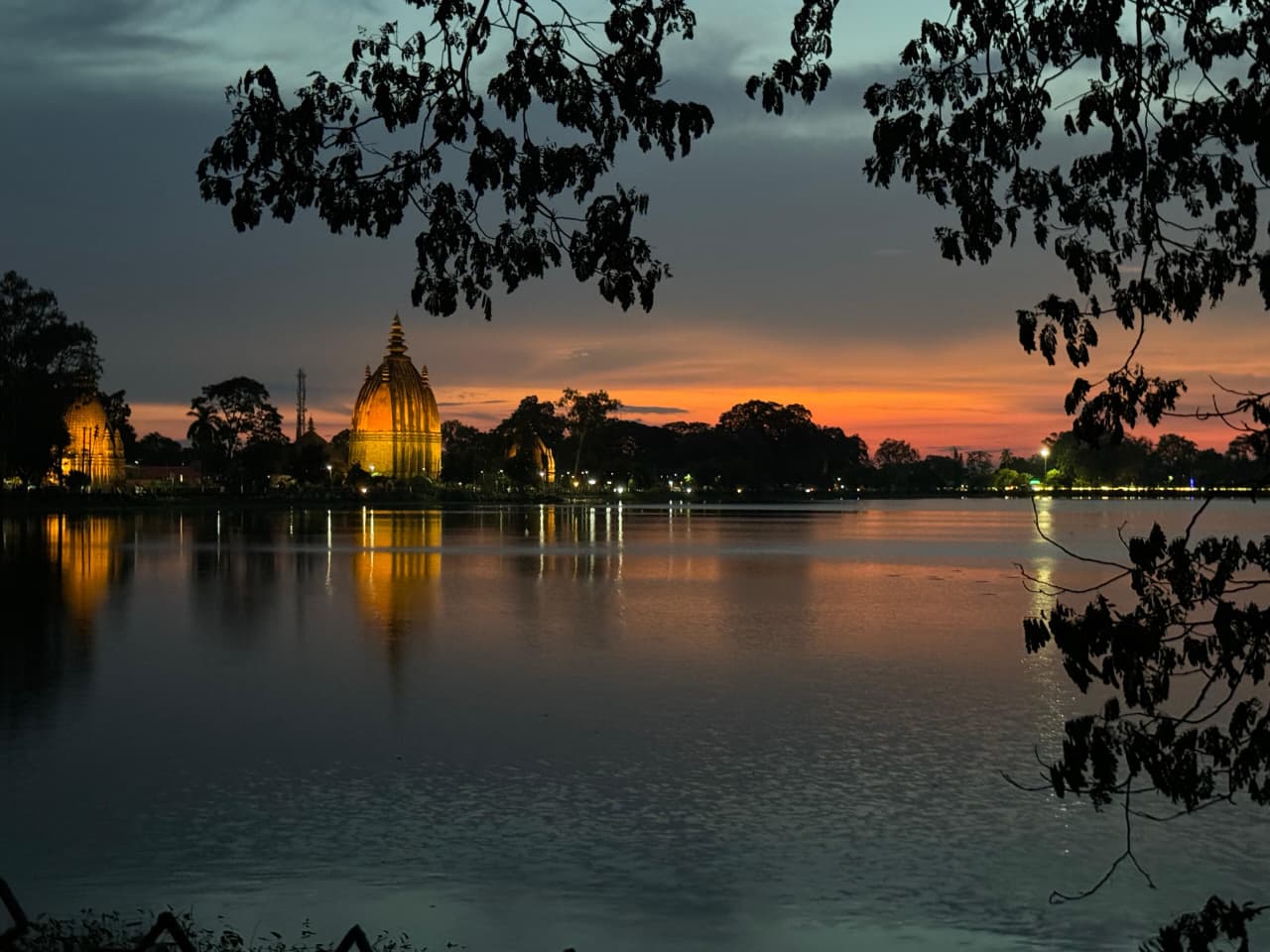
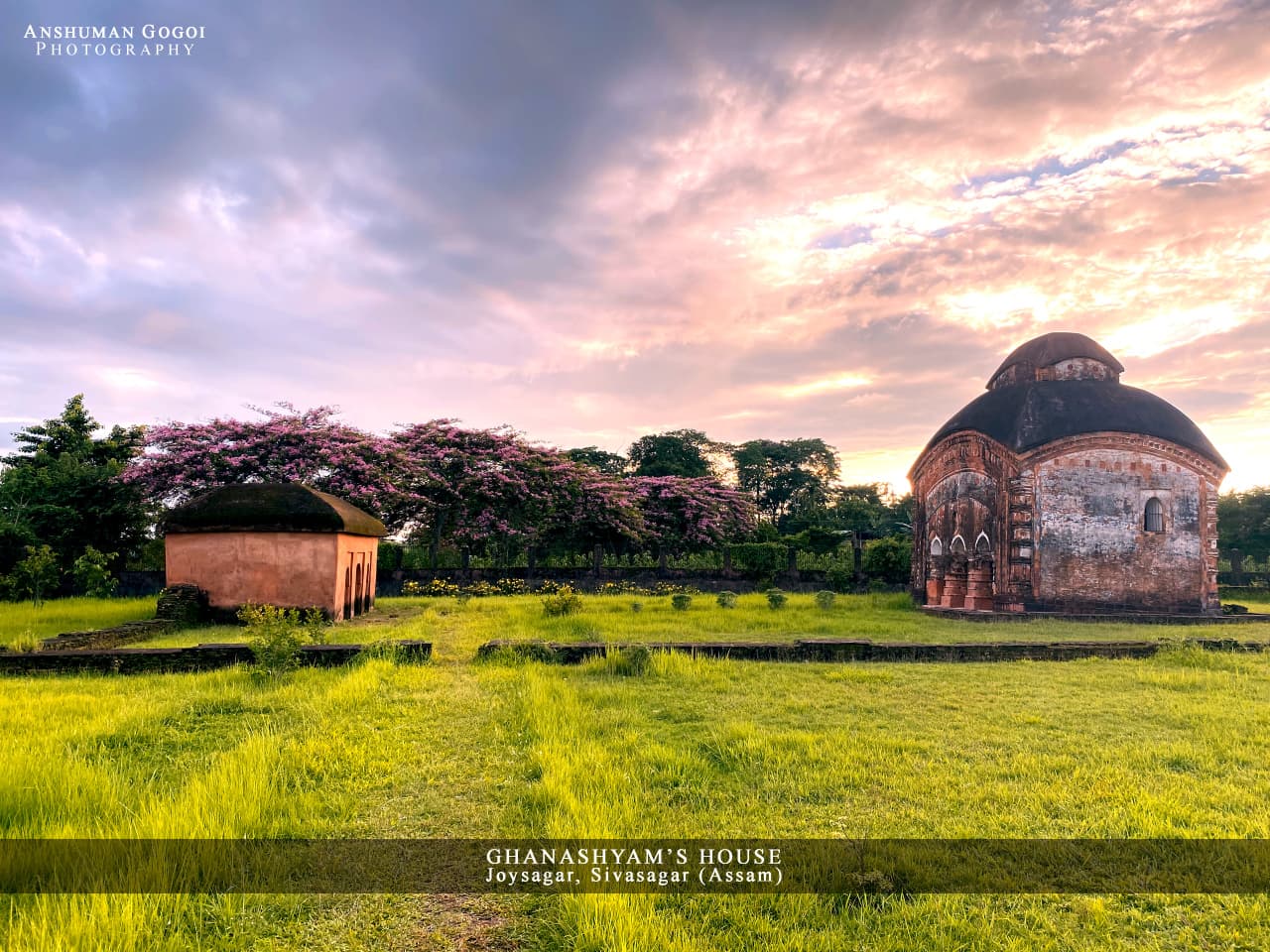
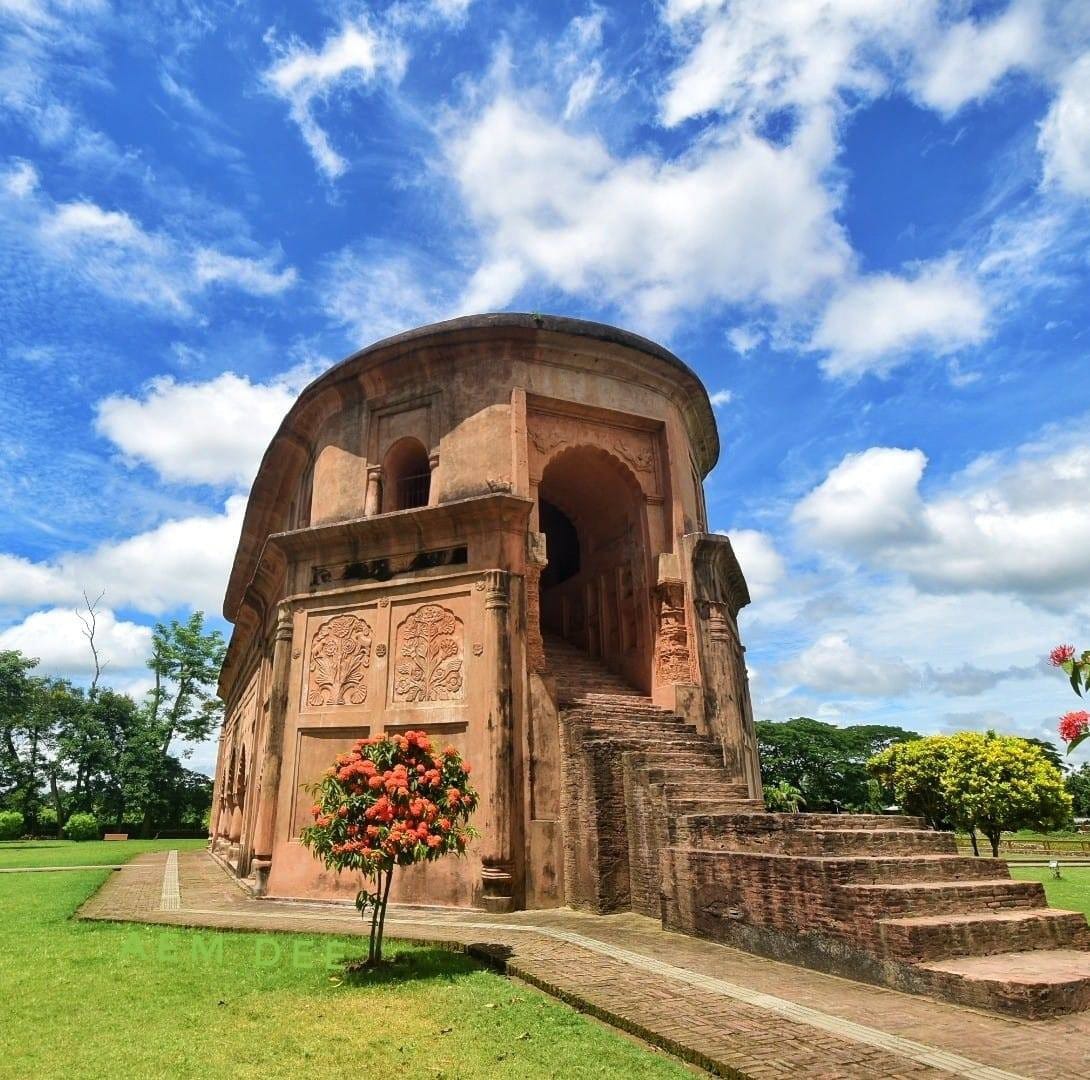
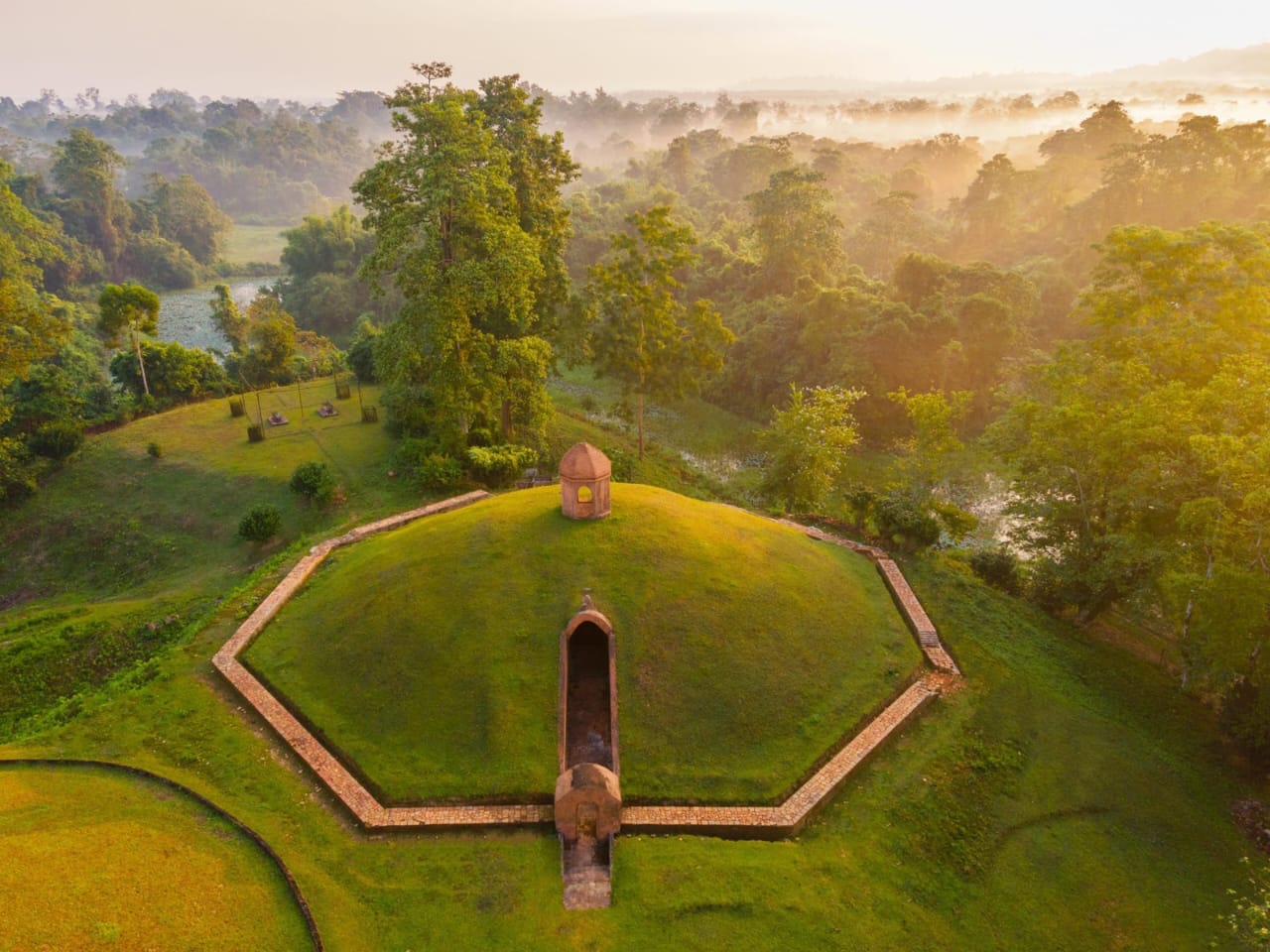
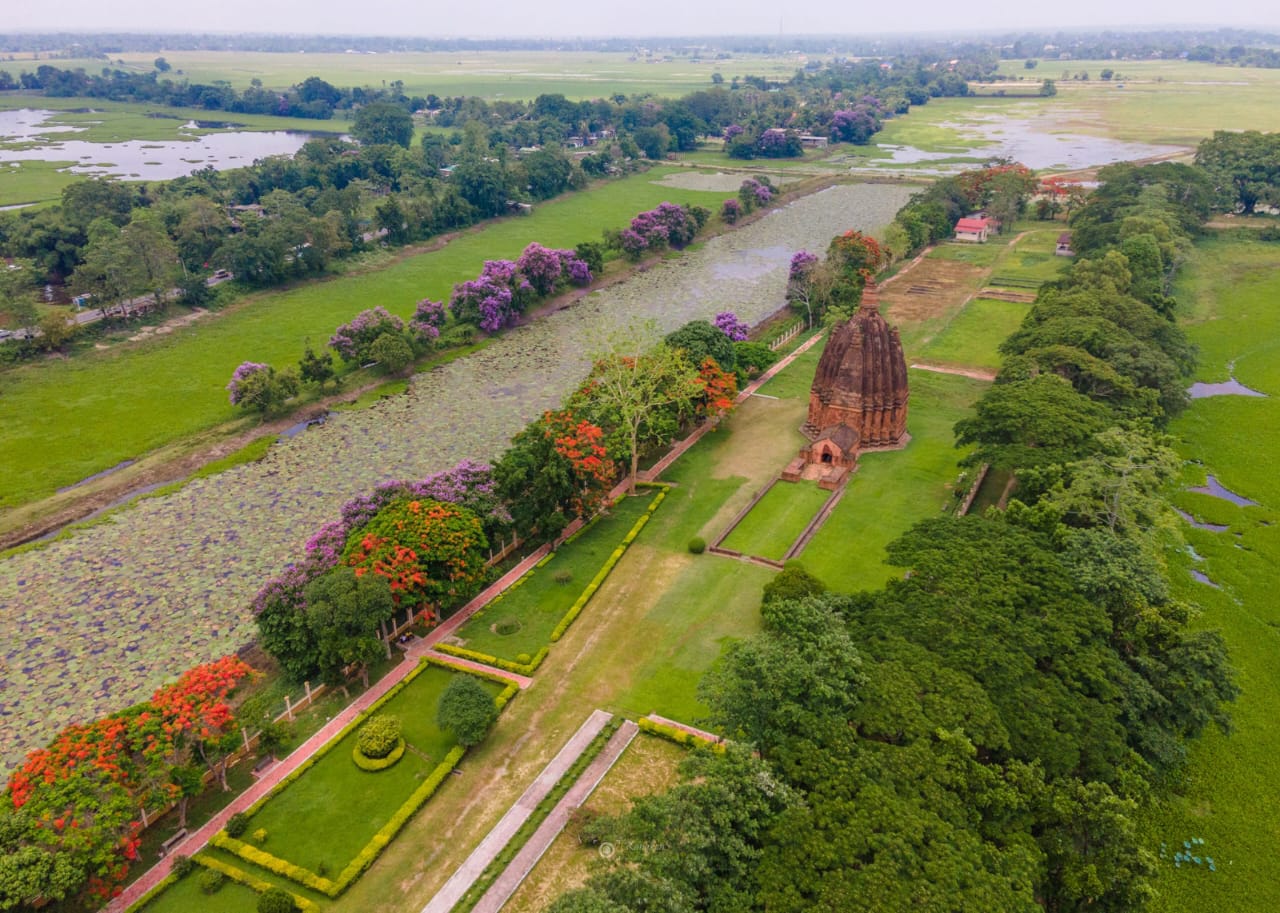
Sivasagar, once the proud capital of the mighty Ahom Kingdom, is a town deeply rooted in history and heritage. The Ahoms, who ruled Assam for nearly 600 years, transformed Sivasagar into a flourishing center of power, culture, and architectural grandeur. Their reign, which began in the 13th century, left behind an enduring legacy of monumental structures and cultural significance that still resonates in the town today. At the heart of Sivasagar’s historical landscape stands the Sivadol Temple, an iconic symbol of the town's spiritual and architectural heritage. Built by Queen Ambika in 1734, the temple is one of the tallest of its kind, rising majestically along the banks of the man-made Sivasagar Tank. This tank, also known as Borpukhuri, was constructed by the Ahom kings and remains an engineering marvel. Its vast waters, reflecting the temples and the surrounding greenery, embody the Ahoms' innovative spirit and reverence for nature.
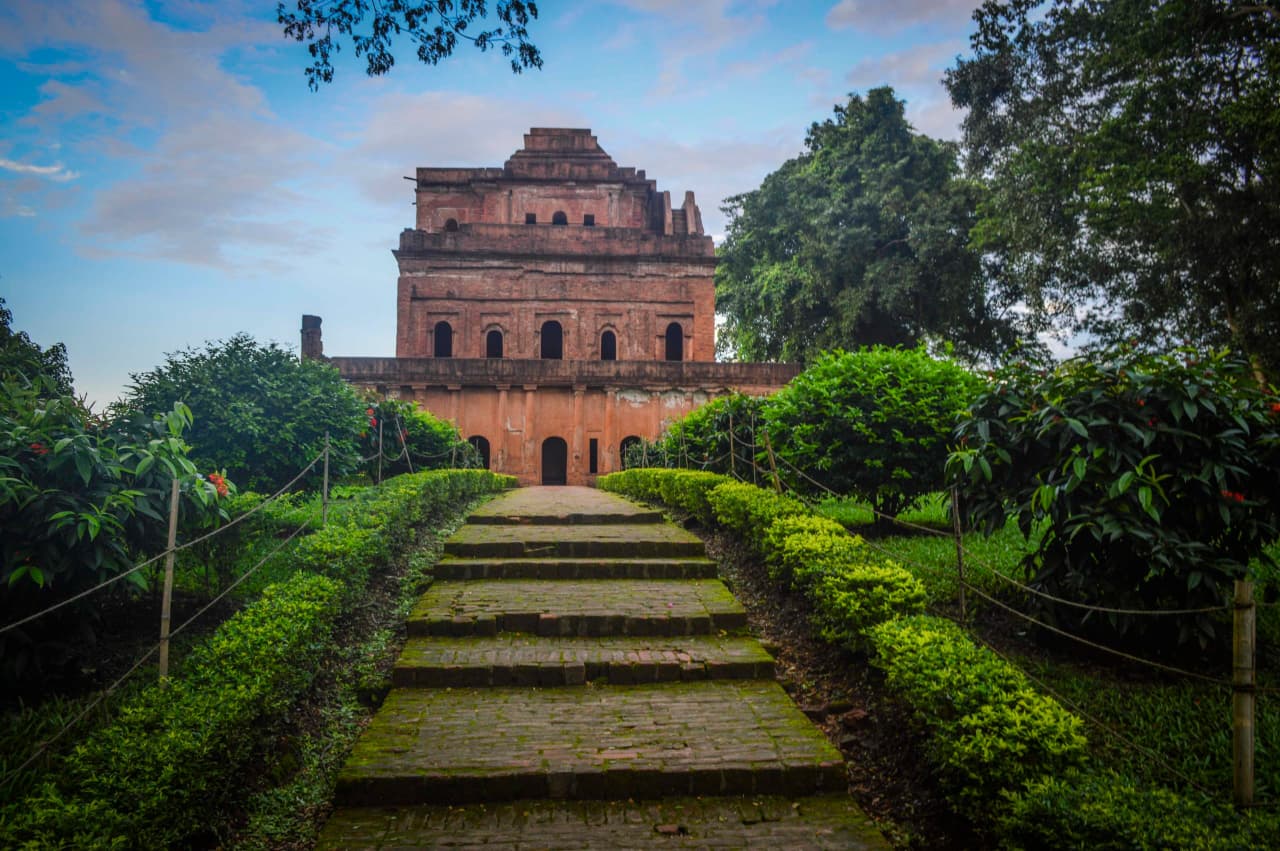
Equally impressive is the Rang Ghar, an amphitheater built during the reign of King Pramatta Singha. Known as one of Asia’s oldest surviving amphitheaters, this royal pavilion was used for cultural and sporting events, showcasing the leisure and ceremonial life of the Ahom royalty.The Talatal Ghar further highlights the architectural ingenuity of the Ahoms. This multi-storied palace, with its hidden tunnels and underground chambers, served both as a royal residence and a military base. Its complex structure, designed to protect against enemy invasions, is a marvel of Ahom engineering. These structures reflect not only the power of the Ahom dynasty but also their mastery of architecture and defense.
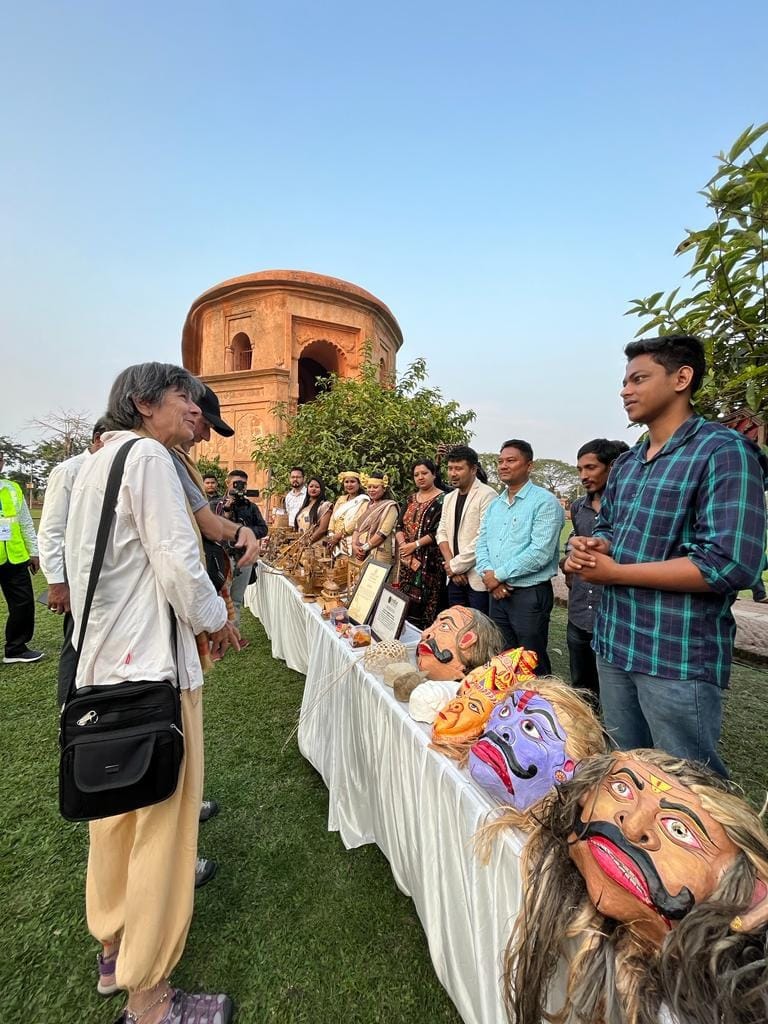
Beyond its physical monuments, Sivasagar’s heritage is also deeply intertwined with Assam's cultural identity. The town was a hub of art, literature, and spiritual practices during the Ahom reign. The Ahoms promoted the spread of Vaishnavism, and many Namghars (prayer halls) were established throughout the region, which became centers of community life and religious gatherings. The influence of the Ahom kings on Assamese culture, language, and religion is profound, leaving a lasting imprint on the state’s identity.
Today, Sivasagar stands as a living testament to the Ahom legacy, where every temple, tank, and palace tells a story of a bygone era. For history enthusiasts, it offers a deep dive into the past, unraveling the cultural and architectural milestones that shaped Assam’s civilization. Sivasagar’s rich heritage continues to draw visitors who seek to understand the roots of Assam’s history and experience the grandeur of the Ahom kingdom firsthand.